diy-audio · dsp · tuning · google-nest-audio · side-project
DQ Speaker: Nest Audio Drivers, a Cheap DSP Board, and a Very Happy Purple Line
Researching DSP competition led me to Google Nest Audio speaker parts on Shopee, an unexpectedly good LF03S board, and a crossover I am very happy with.
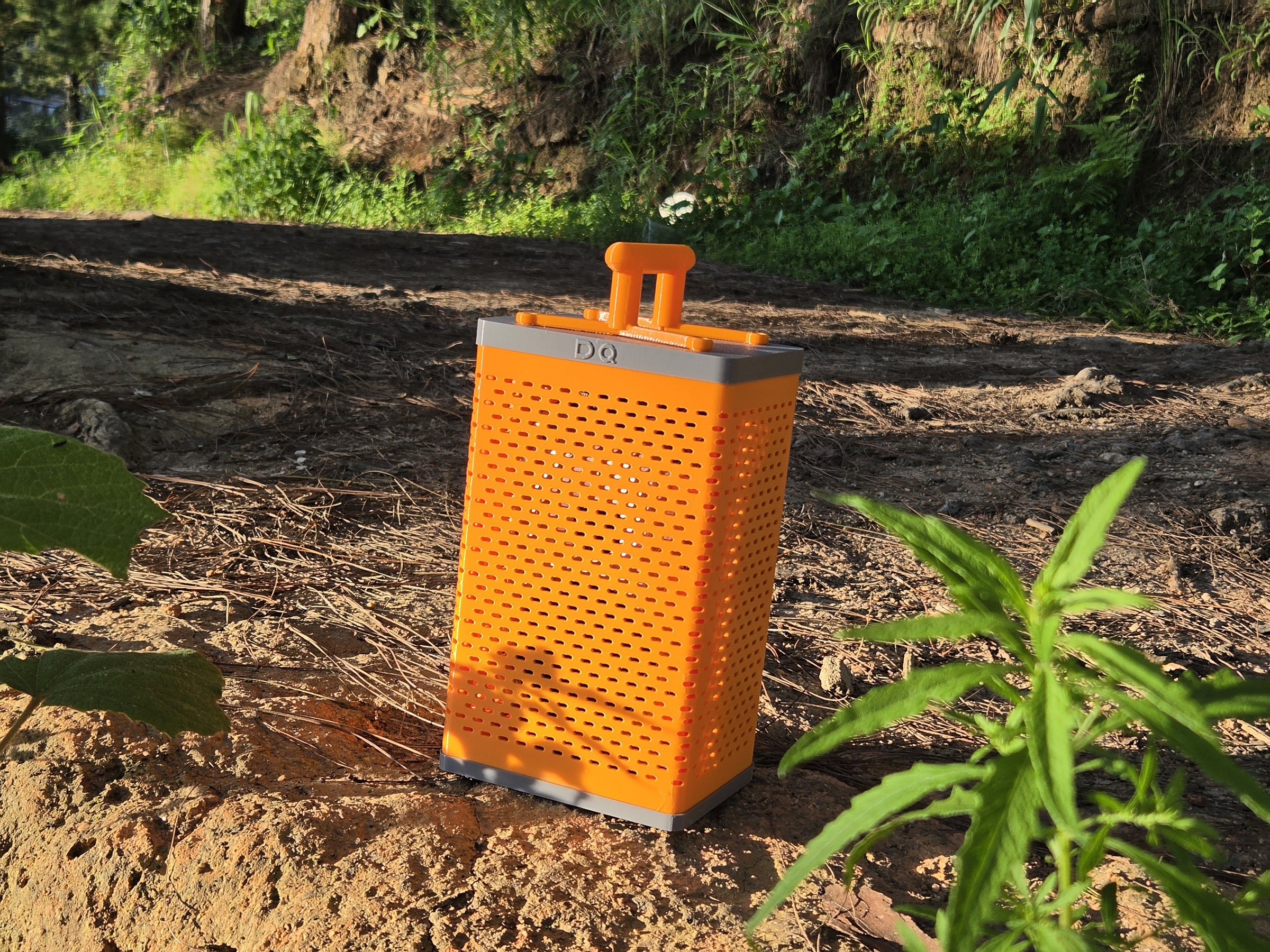
the one where researching competing DSP products turns into another speaker on my desk.
tl;dr: found Google Nest Audio speaker assemblies on Shopee, with the original electronics missing. Bought them, paired them with an LF03S DSP amplifier, and started tuning.
The Nest Audio drivers were surprisingly good. The cheap Chinese DSP board even had its own app. And the purple line in REW made me very, very happy. 😎
I was supposed to be researching the competition
Earlier this year, I built DQ-DSP: an ESP32-S3 doing USB audio, active crossover, EQ, and the other things I wanted for my DIY speakers. Firmware, a web UI, the whole rabbit hole.
I also shared the project in this diyAudio thread. By then, I was already thinking about a dedicated DQ-DSP board using the TAC5212. The plan was a 2-input, 8-output system for building 3-way active speakers. A proper PCB, a fancier codec, more channels, all the fancy shit you start planning once the breadboard version works. :))
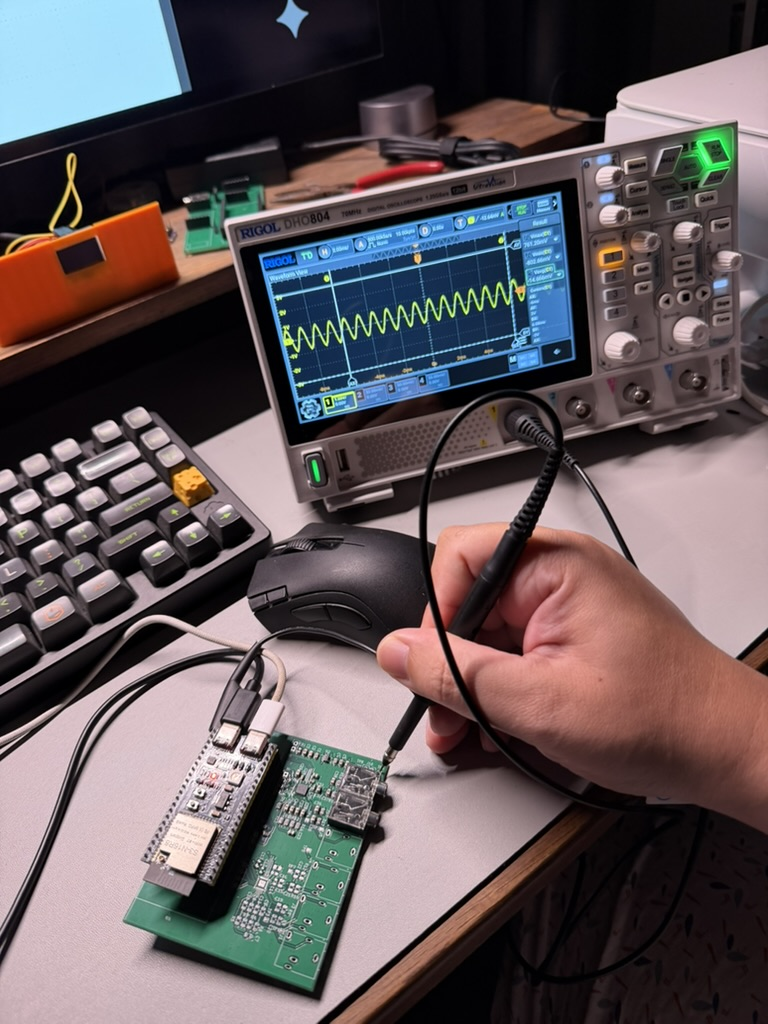
This was me debugging at 1 a.m., finally getting that 1 kHz sine wave. :D
Before going further with that board, I wanted to see what other DSP products were doing. What could they do? How did you tune them? How much hardware and software did you get for the money?
So I was looking into the competition and spending more time learning about tuning. That was the plan, anyway.
Then Shopee happened.
A Google Nest Audio, minus the smart part
I came across a listing for speaker assemblies from the Google Nest Audio. The original circuit boards were gone. What remained was the speaker hardware, including the mid/bass driver and tweeter.
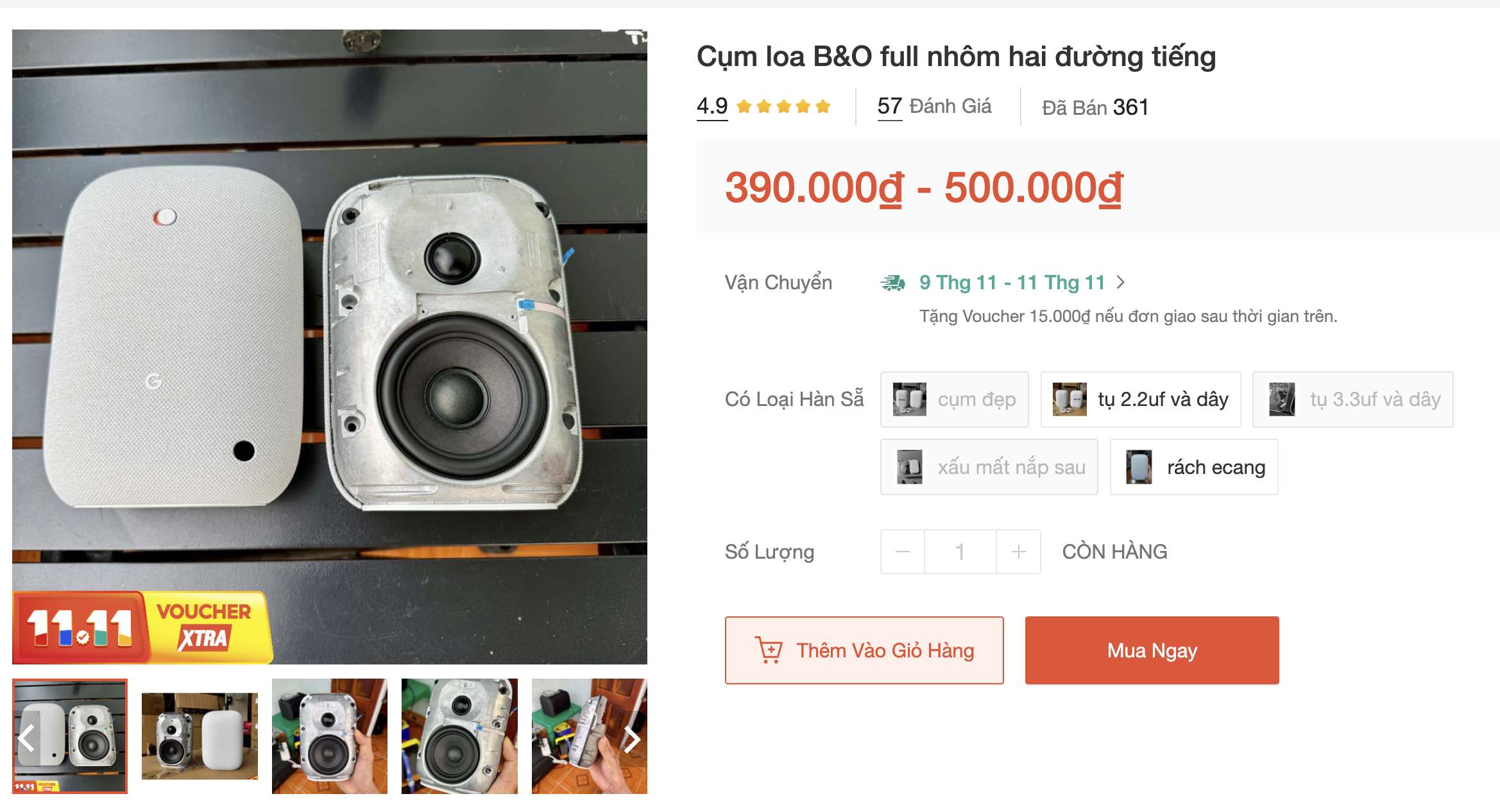
I had read good things about this speaker in this Audio Science Review thread.
These seemed like a good fit, especially since the missing amplifier and DSP were the parts I wanted to work on anyway. So I bought a couple of units.
Then I found the LF board
I was also digging through Facebook groups in Vietnam to see what DSP boards people were using. That is where I came across the LF03S from China: a small amplifier board based on an Mvsilicon DSP, sold as 2 × 25 W, with USB-C charging and accessories.
And an app.
An actual phone app for tuning the DSP. Crossover filters, EQ, channel gain, routing controls. The sort of stuff I had been building for DQ-DSP, sitting there in a cheap little board with the amplifier already attached.
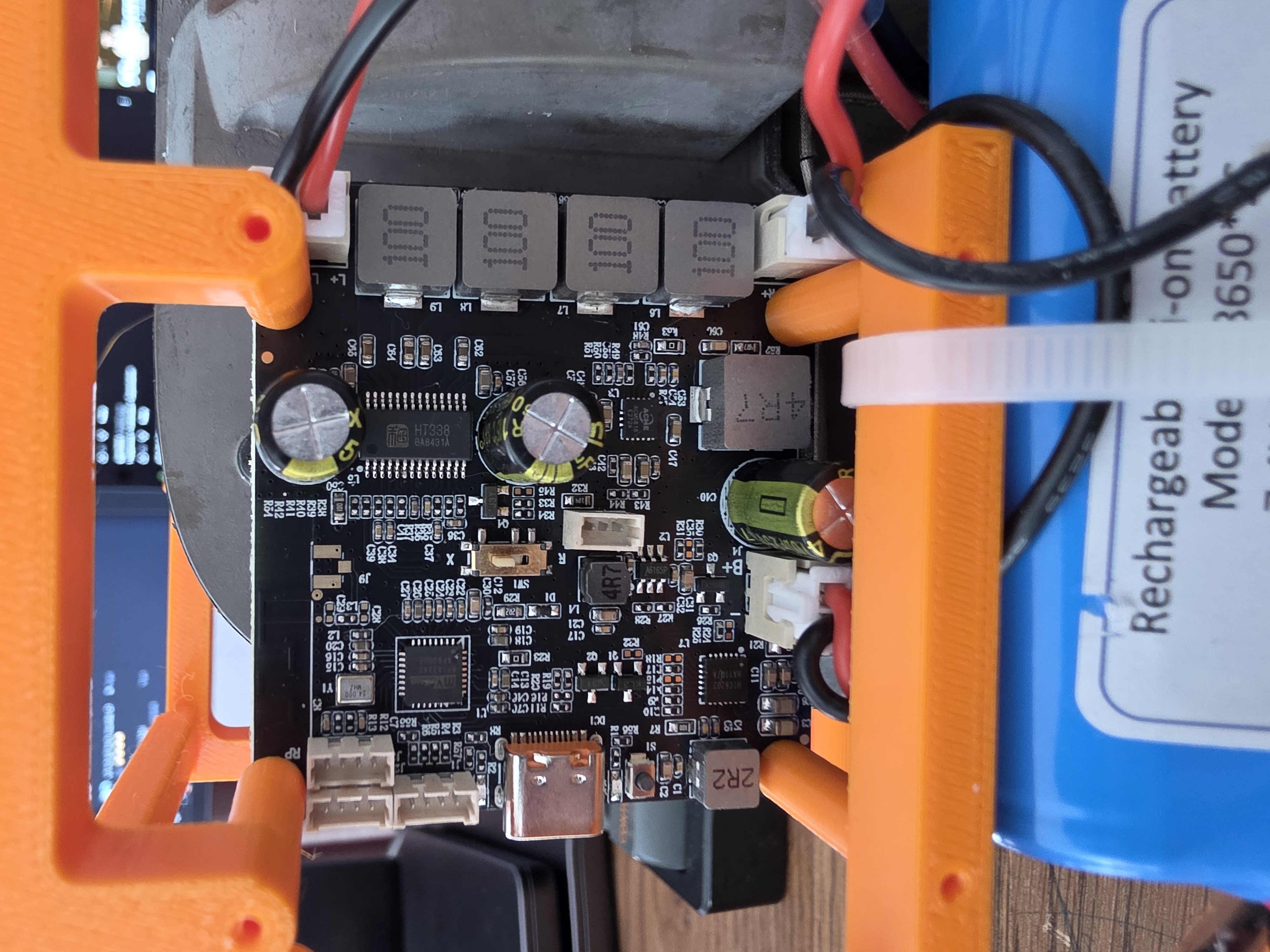
I bought two boards with accessories for 630,800 VND after discounts. That works out to 315,400 VND each.
Honestly? It is really damn good for the money.
Having worked on DQ-DSP made that more interesting. I know how much work hides behind a filter control that looks simple on a screen. There is the DSP itself, then the interface, then getting a parameter change from your finger into the running audio path without making the experience miserable.
Finding a board that already brought those pieces together, at this price, was a pleasant surprise. Also a useful reality check for someone building a DSP project. :))
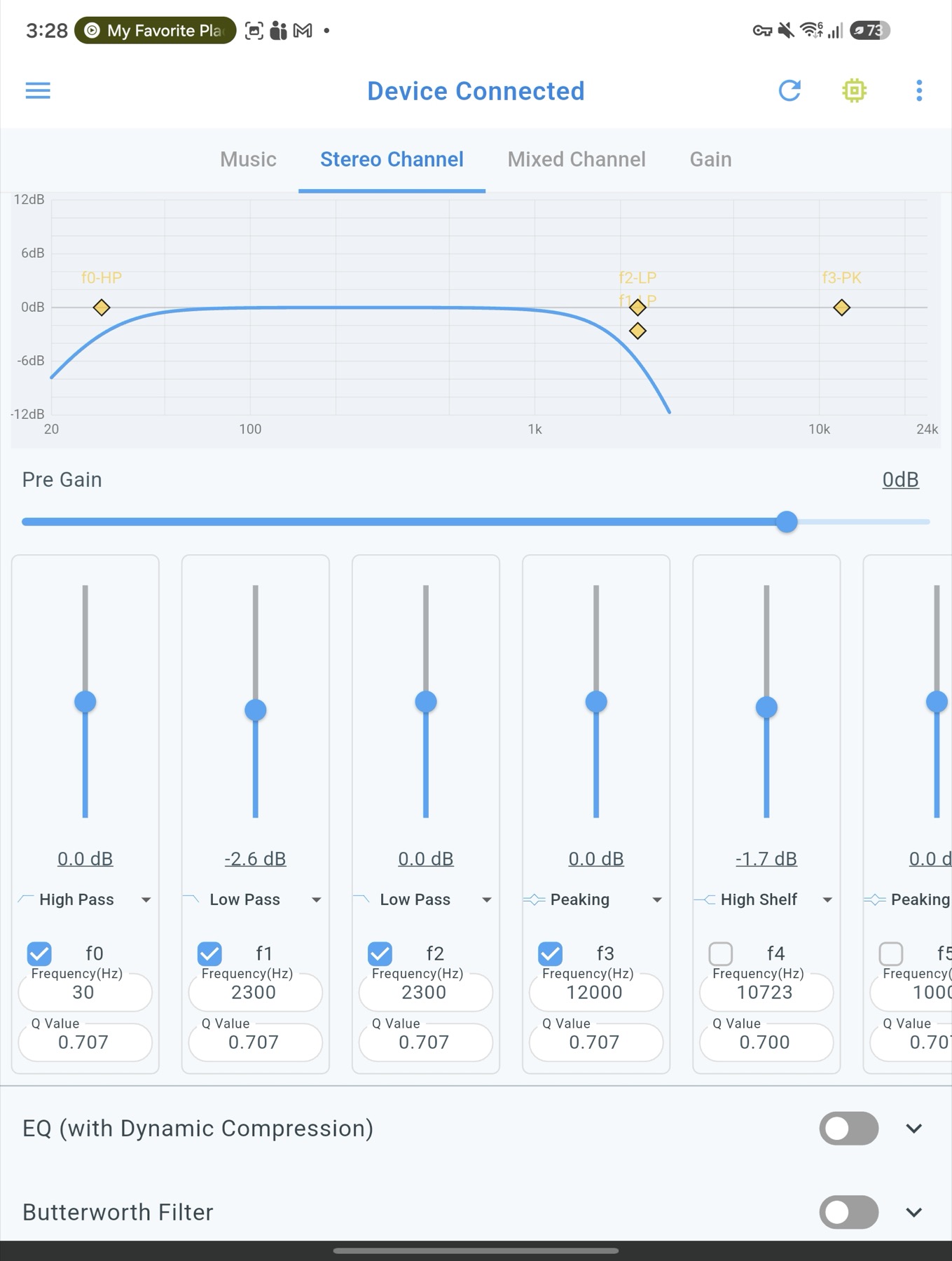
The LF03S app during tuning. Yes, the cheap board comes with this too.
This is the part I actually wanted to play with
With the Nest Audio hardware and the LF board together, I could spend time on the sound: measure the drivers, work on the crossover, adjust their levels, and listen to what changed.
That was the point of the build for me. DQ-DSP got me deeper into the processing side. This little speaker gave me another set of drivers and another DSP implementation to learn from.
It is also useful to use somebody else's controls for a while. When you are always inside your own project, you get used to the way you arranged everything. Using another system gives you something concrete to compare it with.
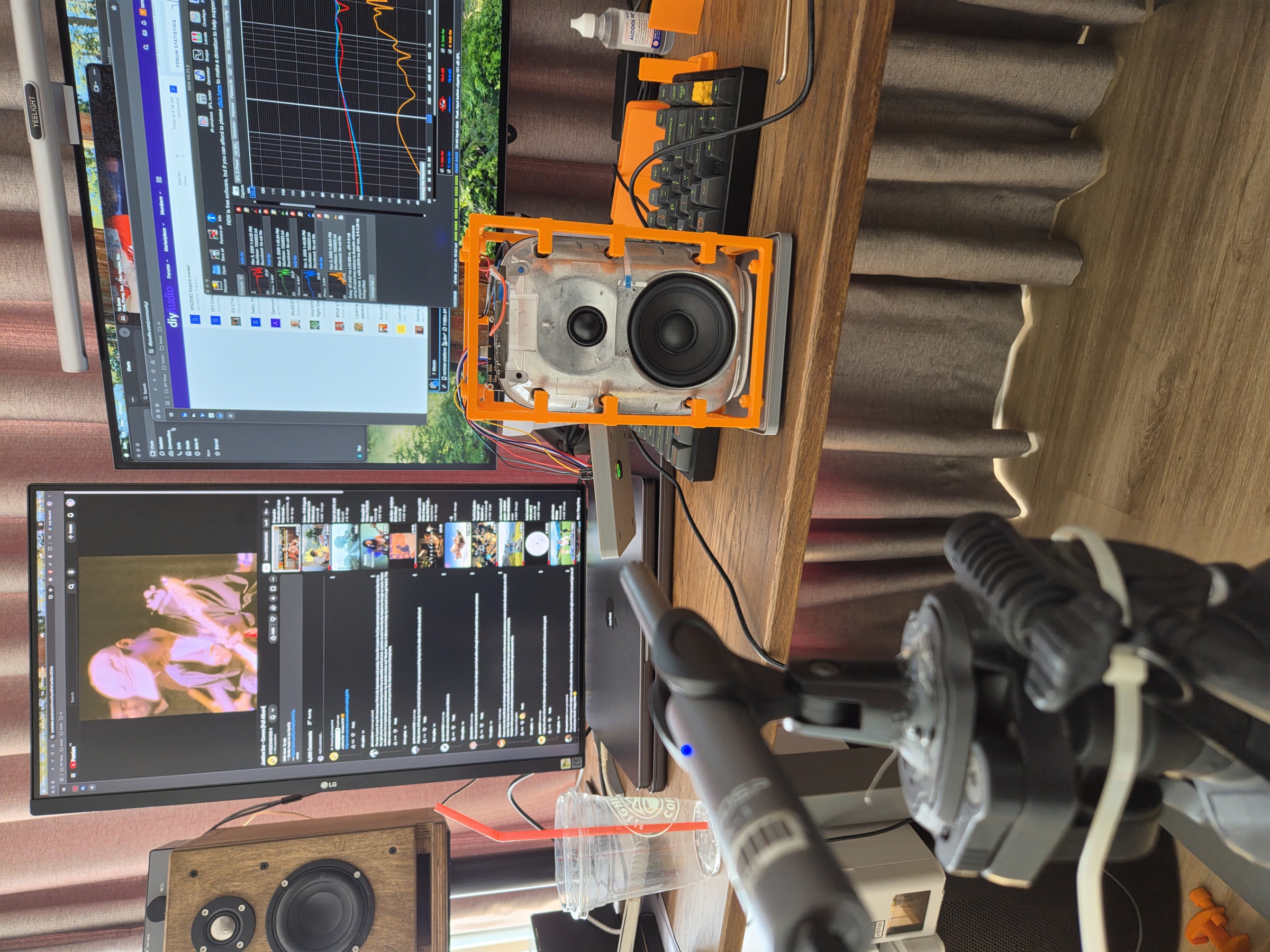
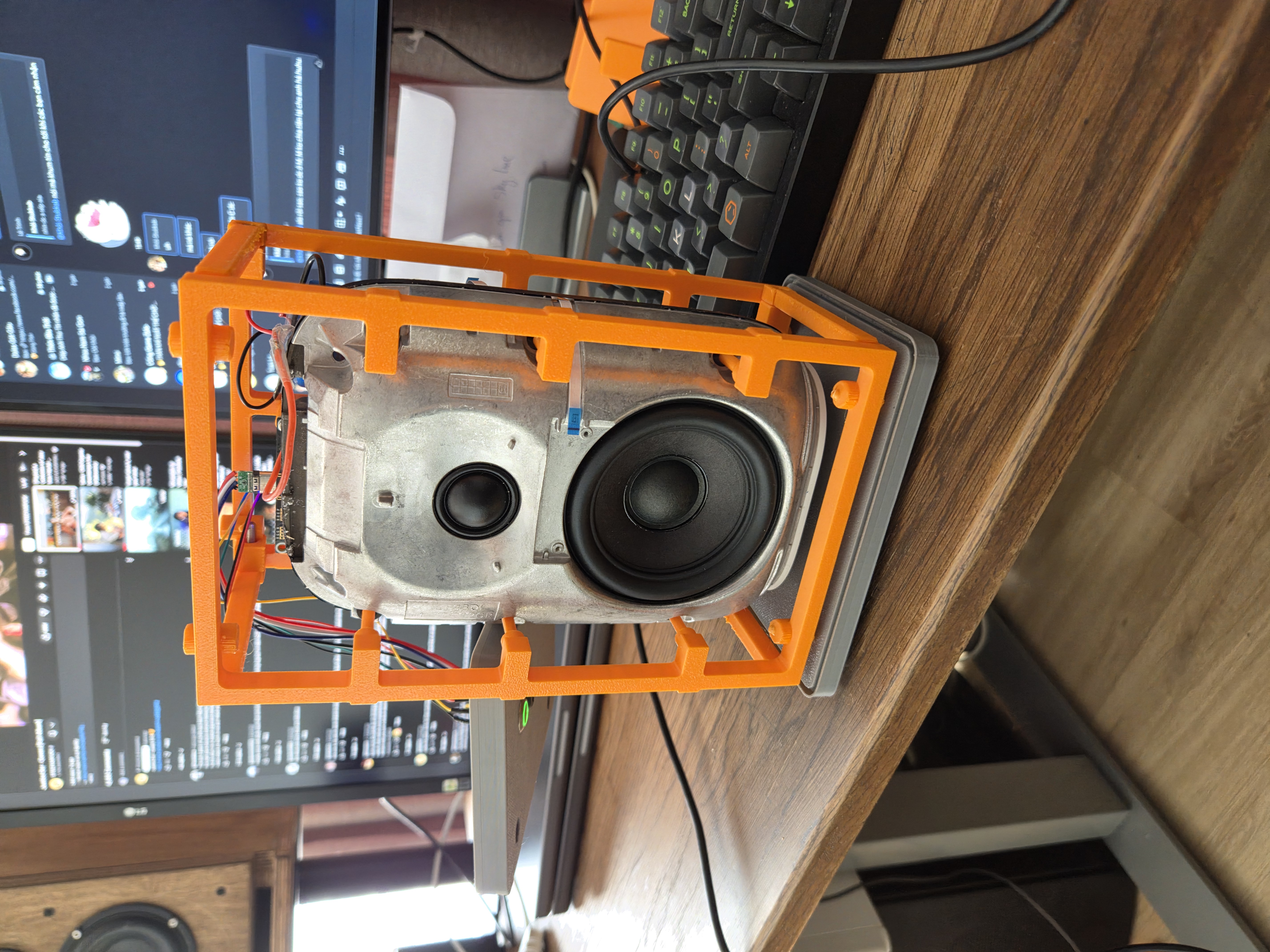
The setup: exposed speaker, wires everywhere, REW open. Ready to lose track of time.
The purple line 😎
Here is the measurement I am happy about:
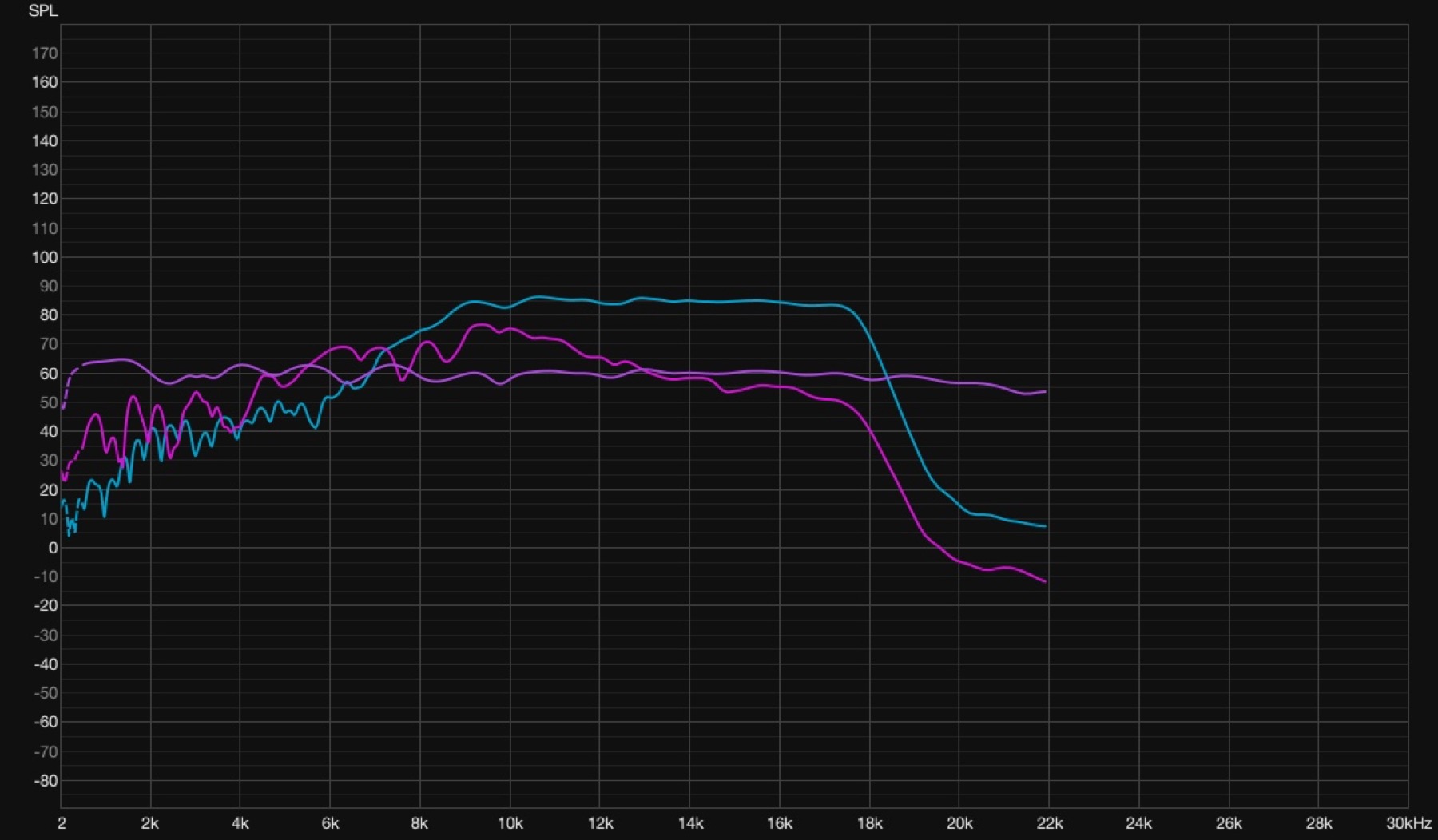
Raw mid/bass and treble measurements, plus the purple line after the crossover. That purple line. So goooood.
The other traces are the raw measurements of the mid/bass and treble. The purple trace is the response after the crossover.
Look at how nicely it comes together.
This is why I enjoy active crossovers. You can measure what each driver is doing, change the filters and levels, then see and hear how the combination changes. You get to work directly on the relationship between the drivers.
Seeing that purple line after tuning was deeply satisfying. The Nest Audio hardware was a good find, and the LF board gave me the controls to make use of it.
Happy. Very happy. :D
It needed a box too
I designed a compact enclosure in Fusion 360 and printed it in Bambu Lab PETG. Rounded rectangle, perforated sleeve, removable caps, a handle, and access to USB-C and the power control.
There were several fit tests along the way. Eventually everything fit, and now the collection of speaker parts can leave the desk as one object.
The finished orange-and-grey version is the one in the cover photo. I like how it turned out. The enclosure just gives the interesting parts somewhere to live.
I have packaged the CAD, STL files, BOM and build notes in agooddaytowork/dq-speaker. It is private for review at the moment, with a public release planned. The LF board's app and firmware belong to its vendor.
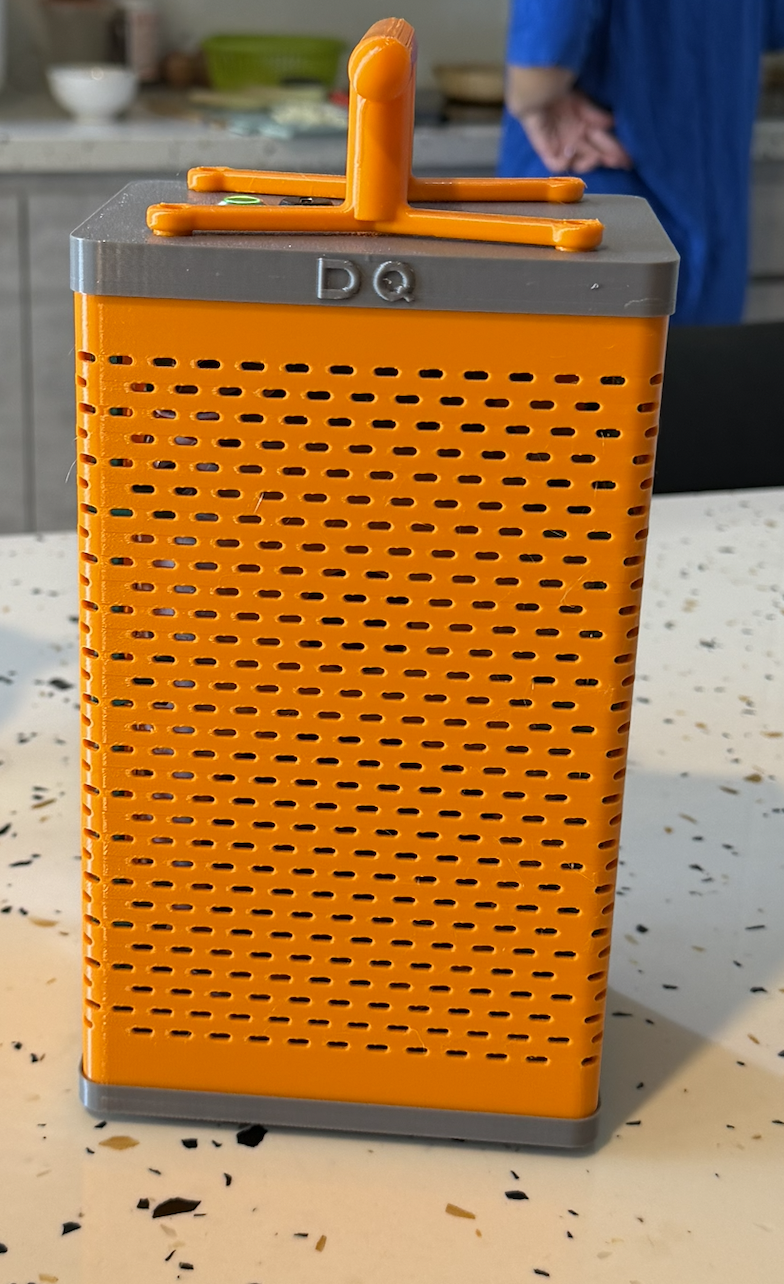
A surprisingly good detour
The core parts for one speaker come to about 879,000 VND: half the two-module order, half the two-board order, and a 185,000 VND 7.4 V 5000 mAh battery pack. Filament, screws and inserts are extra.
What I got out of it was more than a portable speaker. I got a closer look at the Nest Audio drivers, more practice tuning an active crossover, and a much better appreciation of what a cheap Chinese DSP board can do.
Building DQ-DSP made me curious about these boards. Trying this one gave me more to think about for DQ-DSP.
And somewhere in the middle of researching the competition, I ended up with another speaker build. I happily built 3 of them and gave them to friends. They are loving these.
Plus a very nice purple line. Worth it. 😎